This solution can still help mitigate climate change but does not meet the scale to be considered a major climate solution.

Restore Mangrove Ecosystems

Image
Image
Peatland
Coming Soon
On
Description for Social and Search
Restore Mangrove Ecosystems is a Worthwhile climate solution.
Solution in Action
Speed of Action
left_text_column_width
Caveats
left_text_column_width
Risks
left_text_column_width
Consensus
left_text_column_width
Trade-offs
left_text_column_width
Action Word
Restore
Solution Title
Mangrove Ecosystems
Classification
Worthwhile
Lawmakers and Policymakers
Practitioners
Business Leaders
Nonprofit Leaders
Investors
Philanthropists and International Aid Agencies
Thought Leaders
Technologists and Researchers
Communities, Households, and Individuals

Deploy Electric Irrigation Pumps

Cluster
Fuel Switching
Image
Image
An image of a sprinkler system watering a field of crops
Coming Soon
Off
Summary

Replacing fossil-fuel-powered irrigation pumps with electric pumps powered by the grid can reduce emissions in most regions of the world. Electric irrigation pumps, which can also be powered by on-site clean energy, are more efficient than fossil fuel pumps. They are already cost-competitive and widely used, and adoption is increasing. Their emissions benefits will continue to grow as irrigation expands and the emissions intensity of the electrical grid falls. However, based on current grid emissions intensity, the climate impact of using electric pumps for agricultural irrigation is not globally meaningful (<0.1 Gt CO₂‑eq/yr ). Despite its modest climate impact, our assessment finds that deploying electric irrigation pumps is “Worthwhile.”

Description for Social and Search
Electric irrigation pumps
Overview

What is our assessment?

Based on our analysis, deploying electric irrigation pumps will reduce emissions but will not provide a globally significant climate impact (>0.1 Gt CO₂‑eq/yr ), even under high adoption scenarios, until electrical grid emissions decline further. Therefore, this potential climate solution is “Worthwhile.”

Plausible Could it work? Yes
Ready Is it ready? Yes
Evidence Are there data to evaluate it? Yes
Effective Does it consistently work? Yes
Impact Is it big enough to matter? No
Risk Is it risky or harmful? No
Cost Is it cheap? Yes

What is it? 

This solution reduces emissions from irrigation by replacing pumps powered by natural gas, diesel, propane, or gasoline with electric pumps. Irrigation is the practice of adding water to croplands or pastures to reduce crop water stress and increase productivity. Pumps are used on some irrigated croplands to extract groundwater, transport surface water, and pressurize water for application through sprinklers or drip irrigation systems. Electric pumps have much higher motor efficiencies (~88%) than fossil fuel pumps (~21–31%), so pump switching reduces the energy required to pump the same amount of water. The extent to which emissions are reduced depends on the emissions intensity of the electrical grid mix. Electric pumps reduce emissions when the emissions intensity of the grid is below ~0.75 kg CO₂‑eq /kWh, or when they are powered by on-site solar or wind energy. In some places, additional emissions reductions can be achieved through Improving Irrigation Water Use Efficiency.

Does it work?

The efficiency and emissions benefits of electric pumps over fossil fuel pumps are well established. On-farm pumping emissions, currently estimated at approximately 0.2 Gt CO₂‑eq/yr, could feasibly be eliminated if all fossil fuel pumps are replaced with electric pumps and electrical grid emissions reach net-zero, or if they are powered by on-farm solar or wind energy. However, the climate impact of electric pump adoption today would be much lower, as electricity generation still produces substantial emissions. Under current conditions, replacing a diesel pump with an electric pump will reduce emissions in most, but not all, places around the world.

Why are we excited?

Electric pumps can reliably reduce emissions, are already cost-competitive and widely used, and adoption is increasing. Irrigation is a major energy user, and its energy use is increasing as irrigated areas expand. These trends are expected to continue in the coming decades as climate change exacerbates heat and water stress and agricultural production intensifies in low- and middle-income countries. Coupled with ongoing reductions in electrical grid emissions intensity, the potential climate benefits of this solution are growing.

Electric pump adoption can also be geographically targeted, as just five countries (China, India, the United States, Pakistan, and Iran) account for almost 70% of irrigation energy use. Areas with high groundwater reliance can also be targeted, as groundwater pumping accounts for 89% of irrigation energy use.

Pump switching also provides additional benefits, such as lowering long-term energy costs for farmers and reducing air pollution from on-farm fossil fuel use. Access to the electrical grid is the primary technical barrier to electric pump adoption, but small-scale solar installations can be used where grid connectivity is limited. Powering pumps with on-site solar also eliminates operational emissions, reduces the load on the electrical grid, and insulates farmers from variability in energy costs. 

Why are we concerned?

The climate impacts of pump switching are highly dependent on the emissions factor of the electrical grid. A large share of the potential reduction in fossil fuel pumping is located in India and China, which currently have relatively high electrical grid emissions intensities. Under the current grid mix, we estimate that pump switching in these countries will result in only modest benefits or a small increase in emissions.

Solution in Action

Anand, S. K., Rosa, L., Mohanty, B. P., Rajan, N., & Calabrese, S. (2025). Balancing productivity and climate impact: A framework to assess climate-smart irrigation. Earth’s Future13(11), Article e2025EF006116. Link to source: https://doi.org/10.1029/2025EF006116

Driscoll, A. W., Conant, R. T., Marston, L. T., Choi, E., & Mueller, N. D. (2024). Greenhouse gas emissions from US irrigation pumping and implications for climate-smart irrigation policy. Nature Communications15(1), Article 1. Link to source: https://doi.org/10.1038/s41467-024-44920-0

Hrozencik, R. A. & Aillery, Marcel. (2021). Trends in U.S. irrigated agriculture: Increasing resilience under water supply scarcity. United States Department of Agriculture Economic Research ServiceReport No. EIB-229. Link to source: https://www.ssrn.com/abstract=3996325

Kebede, E. A., Oluoch, K. O., Siebert, S., Mehta, P., Hartman, S., Jägermeyr, J., Ray, D., Ali, T., Brauman, K. A., Deng, Q., Xie, W., & Davis, K. F. (2025). A global open-source dataset of monthly irrigated and rainfed cropped areas (MIRCA-OS) for the 21st century. Scientific Data12(1), Article 208. Link to source: https://doi.org/10.1038/s41597-024-04313-w

McCarthy, B., Anex, R., Wang, Y., Kendall, A. D., Anctil, A., Haacker, E. M. K., & Hyndman, D. W. (2020). Trends in water use, energy consumption, and carbon emissions from irrigation: Role of shifting technologies and energy sources. Environmental Science & Technology54(23), 15329–15337. Link to source: https://doi.org/10.1021/acs.est.0c02897

McDermid, S., Mahmood, R., Hayes, M. J., Bell, J. E., & Lieberman, Z. (2021). Minimizing trade-offs for sustainable irrigation. Nature Geoscience14(10), 706–709. Link to source: https://doi.org/10.1038/s41561-021-00830-0

McDermid, S., Nocco, M., Lawston-Parker, P., Keune, J., Pokhrel, Y., Jain, M., Jägermeyr, J., Brocca, L., Massari, C., Jones, A. D., Vahmani, P., Thiery, W., Yao, Y., Bell, A., Chen, L., Dorigo, W., Hanasaki, N., Jasechko, S., Lo, M.-H., … Yokohata, T. (2023). Irrigation in the Earth system. Nature Reviews Earth & Environment4, 435–453. Link to source: https://doi.org/10.1038/s43017-023-00438-5

McGill, B. M., Hamilton, S. K., Millar, N., & Robertson, G. P. (2018). The greenhouse gas cost of agricultural intensification with groundwater irrigation in a Midwest U.S. row cropping system. Global Change Biology24(12), 5948–5960. Link to source: https://doi.org/10.1111/gcb.14472

Qin, J., Duan, W., Zou, S., Chen, Y., Huang, W., & Rosa, L. (2024). Global energy use and carbon emissions from irrigated agriculture. Nature Communications15(1), Article 3084. Link to source: https://doi.org/10.1038/s41467-024-47383-5

Ren, C., & Rosa, L. (2025). Global energy and emissions of irrigation and fertilizers management for closing crop yield gaps. Environmental Research Letters20(10), Article 104026. Link to source: https://doi.org/10.1088/1748-9326/adfbfd 

Rollason, E., Sinha, P., & Bracken, L. J. (2022). Interbasin water transfer in a changing world: A new conceptual model. Progress in Physical Geography: Earth and Environment46(3), 371–397. Link to source: https://doi.org/10.1177/03091333211065004

Rosa, L., Chiarelli, D. D., Sangiorgio, M., Beltran-Peña, A. A., Rulli, M. C., D’Odorico, P., & Fung, I. (2020). Potential for sustainable irrigation expansion in a 3 °C warmer climate. Proceedings of the National Academy of Sciences117(47), 29526–29534. Link to source: https://doi.org/10.1073/pnas.2017796117

Rosa, L., Rulli, M. C., Ali, S., Chiarelli, D. D., Dell’Angelo, J., Mueller, N. D., Scheidel, A., Siciliano, G., & D’Odorico, P. (2021). Energy implications of the 21st century agrarian transition. Nature Communications12(1), Article 2319. Link to source: https://doi.org/10.1038/s41467-021-22581-7

Sanders, K. T., & Webber, M. E. (2012). Evaluating the energy consumed for water use in the United States. Environmental Research Letters7(3), Article 034034. Link to source: https://doi.org/10.1088/1748-9326/7/3/034034

Schmitt, R. J. P., Rosa, L., & Daily, G. C. (2022). Global expansion of sustainable irrigation limited by water storage. Proceedings of the National Academy of Sciences119(47), Article e2214291119. Link to source: https://doi.org/10.1073/pnas.2214291119

Siddik, M. A. B., Dickson, K. E., Rising, J., Ruddell, B. L., & Marston, L. T. (2023). Interbasin water transfers in the United States and Canada. Scientific Data10(1), Article 1. Link to source: https://doi.org/10.1038/s41597-023-01935-4

Sowby, R. B., & Dicataldo, E. (2022). The energy footprint of U.S. irrigation: A first estimate from open data. Energy Nexus6, Article 100066. Link to source: https://doi.org/10.1016/j.nexus.2022.100066

Yang, Y., Jin, Z., Mueller, N. D., Driscoll, A. W., Hernandez, R. R., Grodsky, S. M., Sloat, L. L., Chester, M. V., Zhu, Y.-G., & Lobell, D. B. (2023). Sustainable irrigation and climate feedbacks. Nature Food4(8), Article 8. Link to source: https://doi.org/10.1038/s43016-023-00821-x

Credits

Lead Fellow

Avery Driscoll, Ph.D.

Internal Reviewers

Christina Swanson, Ph.D.

Heather McDiarmid, Ph.D.

James Gerber, Ph.D.

Speed of Action
left_text_column_width
Caveats
left_text_column_width
Risks
left_text_column_width
Consensus
left_text_column_width
Trade-offs
left_text_column_width
Action Word
Deploy
Solution Title
Electric Irrigation Pumps
Classification
Worthwhile
Lawmakers and Policymakers
Practitioners
Business Leaders
Nonprofit Leaders
Investors
Philanthropists and International Aid Agencies
Thought Leaders
Technologists and Researchers
Communities, Households, and Individuals
Updated Date

Deploy Green Roofs

Image
Image
Roof with vegetation
Coming Soon
Off
Summary

Green roofs sequester carbon through photosynthesis and may reduce energy consumption and emissions from cooling and heating the building thanks to the added insulation and the cooling effects of plants. Carbon sequestration by vegetation on green roofs has been documented, and many reports show energy savings from cooling and heating buildings. The effectiveness varies significantly across projects due to building and roof design, plant types, and climates. Green roofs are an attractive solution because they also provide climate adaptation, human health, environmental, and economic benefits. However, their adoption is hampered by high up-front costs, lack of supportive policies, structural and climate limitations, maintenance requirements, and lack of awareness. With the limited data available today we estimate the total impact to be relatively small, but given the significant additional benefits we conclude that this solution is “Worthwhile.”

Description for Social and Search
Increase Green Roofs & Urban Greenspace
Overview

What is our assessment?

There is strong evidence that green roofs sequester carbon and may reduce building energy consumption, although emissions reduction data are limited and vary with geography, roof design, and other factors. The potential climate impact of increasing green roofs is likely too small to be globally significant (>0.1 Gt CO₂‑eq/yr ). The solution, however, is considered “Worthwhile” because it can reduce energy use in buildings and sequester carbon while helping communities adapt to climate change and benefiting human health, the environment, and building owners.

Plausible Could it work? Yes
Ready Is it ready? Yes
Evidence Are there data to evaluate it? Limited
Effective Does it consistently work? Yes
Impact Is it big enough to matter? No
Risk Is it risky or harmful? No
Cost Is it cheap? Yes

What is it?

Vegetation planted on specially engineered rooftops sequesters CO₂ through photosynthesis and provides indirect cooling for buildings through evapotranspiration, reflecting heat back to the atmosphere, and shading. This cooling plus the added insulation inherent in the design can reduce the air conditioning loads of the building, particularly compared to dark rooftop surfaces, and therefore reduce emissions from the electricity used to power cooling systems. Green roofs can also reduce heating energy use and corresponding GHG emissions due to the insulation that soils and plant matter provide. Green roofs are in use in all regions of the globe, but concentrated in high-income countries. 

Does it work?

There is strong evidence that green roofs sequester carbon and can reduce the energy consumption and therefore emissions from cooling and heating buildings. Carbon sequestration by vegetation on green roofs has been documented in several studies. A study in Germany found that plants absorbed 141 g carbon/m2/yr (517 g CO₂ /m2/yr) over a 5-year period. However, carbon sequestration rates are difficult to generalize due to variations in design, plant types, and climates. 

Reported building energy savings from green roofs can range from negligible to 60% or more for cooling. For heating the savings can reach 45% or more, but some studies also show a roughly 10% increase in heating energy use with a green roof. The large variability in energy savings outcomes is due to differences in climate; existing insulation and other properties of buildings; green roof design, vegetation and maintenance practices; and measurement and modeling approaches. The highest energy savings potential has been calculated in dry-winter subtropical highlands for cooling and in humid subtropical climates for heating. Areas with short and mild winters are most likely to see heating energy use increase with green roofs, but these areas often have net energy savings when heating and cooling are combined, and most studies of green roofs show a reduction in heating energy use. 

When combined with the carbon sequestration effect of vegetation, green roofs appear to consistently reduce GHG emissions. 

Why are we excited?

Green roofs and other urban green spaces (see Increase Urban Vegetation) provide valuable climate adaptation, human health, environmental, and economic benefits. Green roofs can help cities adapt to climate change because the vegetation reduces heat exposure during extreme heat, while the soil and root systems absorb stormwater – thereby reducing runoff and flooding risks during extreme rainfall. Green roofs improve human health because vegetation filters the air and reduces noise transmission, and interactions with green spaces, including green roofs, have been shown to improve mental well-being. Green roofs can increase biodiversity and habitat and remove water pollution. They also can increase the property value of a building and prolong the longevity of the roof.

Why are we concerned?

Increasing green roofs can be challenging due to high up-front cost, lack of supportive policies, structural and climate limitations, maintenance requirements, and lack of awareness. A green roof can cost three to six times more than a conventional roof, and although it can save energy for cooling and heating, the returns on investment can be lengthy and savings may not be enough to fully offset the higher costs. In addition, not all roofs can support vegetation, rooftop plants can struggle to survive in hot and dry climates, and green roofs may increase heating energy use in buildings in climates with short and mild winters. A green roof also requires maintenance such as watering, plant care, weed control, pruning, and regular inspections. Finally, a lack of awareness is a major barrier to greater adoption. We also noted a lack of measured, rather than modeled emissions reduction data and on current and potential green roof adoption globally. 

Solution in Action

Addo-Bankas, O., Wei, T., Zhao, Y., Bai, X., Núñez, A. E., & Stefanakis, A. (2024). Revisiting the concept, urban practices, current advances, and future prospects of green infrastructure. Science of The Total Environment954, 176473. Link to source: https://doi.org/10.1016/j.scitotenv.2024.176473

 Getter, K. L., Rowe, D. B., Robertson, G. P., Cregg, B. M., & Andresen, J. A. (2009). Carbon Sequestration Potential of Extensive Green Roofs. Environmental Science & Technology43(19), 7564–7570. Link to source: https://doi.org/10.1021/es901539x

Green roof guide. (n.d.). Green roof maintenance tips. Green Roof Guide. Link to source: https://greenroofguide.com/green-roof-maintenance-tips/

 He, Q., Tapia, F., & Reith, A. (2023). Quantifying the influence of nature-based solutions on building cooling and heating energy demand: A climate specific review. Renewable and Sustainable Energy Reviews186, 113660. Link to source: https://doi.org/10.1016/j.rser.2023.113660

 Knight, T., Price, S., Bowler, D., Hookway, A., King, S., Konno, K., & Richter, R. L. (2021). How effective is ‘greening’ of urban areas in reducing human exposure to ground-level ozone concentrations, UV exposure and the ‘urban heat island effect’? An updated systematic review. Environmental Evidence10(1), 12. Link to source: https://doi.org/10.1186/s13750-021-00226-y

 Konopka, J., Heusinger, J., & Weber, S. (2021). Extensive Urban Green Roof Shows Consistent Annual Net Uptake of Carbon as Documented by 5 Years of Eddy‐Covariance Flux Measurements. Journal of Geophysical Research: Biogeosciences126(2), e2020JG005879. Link to source: https://doi.org/10.1029/2020JG005879 

Mihalakakou, G., Souliotis, M., Papadaki, M., Menounou, P., Dimopoulos, P., Kolokotsa, D., Paravantis, J. A., Tsangrassoulis, A., Panaras, G., Giannakopoulos, E., & Papaefthimiou, S. (2023). Green roofs as a nature-based solution for improving urban sustainability: Progress and perspectives. Renewable and Sustainable Energy Reviews180, 113306. Link to source: https://doi.org/10.1016/j.rser.2023.113306

 Perivoliotis, D., Arvanitis, I., Tzavali, A., Papakostas, V., Kappou, S., Andreakos, G., Fotiadi, A., Paravantis, J. A., Souliotis, M., & Mihalakakou, G. (2023). Sustainable Urban Environment through Green Roofs: A Literature Review with Case Studies. Sustainability15(22), 15976. Link to source: https://doi.org/10.3390/su152215976

 Shafique, M., Xue, X., & Luo, X. (2020). An overview of carbon sequestration of green roofs in urban areas. Urban Forestry & Urban Greening47, 126515. Link to source: https://doi.org/10.1016/j.ufug.2019.126515

 Susca, T. (2019). Green roofs to reduce building energy use? A review on key structural factors of green roofs and their effects on urban climate. Building and Environment162, 106273. Link to source: https://doi.org/10.1016/j.buildenv.2019.106273 

Tan, T., Kong, F., Yin, H., Cook, L. M., Middel, A., & Yang, S. (2023). Carbon dioxide reduction from green roofs: A comprehensive review of processes, factors, and quantitative methods. Renewable and Sustainable Energy Reviews182, 113412. Link to source: https://doi.org/10.1016/j.rser.2023.113412

 Tiago, P., Leal, A. I., & Silva, C. M. (2024). Assessing Ecological Gains: A Review of How Arthropods, Bats and Birds Benefit from Green Roofs and Walls. Environments11(4), 76. Link to source: https://doi.org/10.3390/environments11040076

 US Environmental Protection Agency. (2025, April 2). Using green roofs to reduce heat islands. US Environmental Protection Agency. Link to source: https://www.epa.gov/heatislands/using-green-roofs-reduce-heat-islands

 Zhang, G., & He, B.-J. (2021). Towards green roof implementation: Drivers, motivations, barriers and recommendations. Urban Forestry & Urban Greening58, 126992. Link to source: https://doi.org/10.1016/j.ufug.2021.126992

Zhuo, Z., Ran, K., & Dong, L. (2025). Assessing the Effects of Exposure to Green Rooftop Spaces on Perceived Restorativeness: A Field Study in Xiamen, China. Buildings15(9), 1427. Link to source: https://doi.org/10.3390/buildings15091427

Credits

Lead Fellow

  • Heather McDiarmid, Ph.D.

Internal Reviewer

  • Amanda D. Smith, Ph.D.

  • Christina Swanson, Ph.D.

Speed of Action
left_text_column_width
Caveats
left_text_column_width
Risks
left_text_column_width
Consensus
left_text_column_width
Trade-offs
left_text_column_width
Action Word
Deploy
Solution Title
Green Roofs
Classification
Worthwhile
Lawmakers and Policymakers
Practitioners
Business Leaders
Nonprofit Leaders
Investors
Philanthropists and International Aid Agencies
Thought Leaders
Technologists and Researchers
Communities, Households, and Individuals
Updated Date

Increase Building Deconstruction & Recycling

Image
Image
Peatland
Coming Soon
On
Description for Social and Search
Increase Building Deconstruction & Recycling
Solution in Action
Speed of Action
left_text_column_width
Caveats
left_text_column_width
Risks
left_text_column_width
Consensus
left_text_column_width
Trade-offs
left_text_column_width
Action Word
Increase
Solution Title
Building Deconstruction & Recycling
Classification
Worthwhile
Lawmakers and Policymakers
Practitioners
Business Leaders
Nonprofit Leaders
Investors
Philanthropists and International Aid Agencies
Thought Leaders
Technologists and Researchers
Communities, Households, and Individuals

Increase Decentralized Composting

Image
Image
Peatland
Coming Soon
On
Description for Social and Search
Increase Decentralized Composting
Solution in Action
Speed of Action
left_text_column_width
Caveats
left_text_column_width
Risks
left_text_column_width
Consensus
left_text_column_width
Trade-offs
left_text_column_width
Action Word
Increase
Solution Title
Decentralized Composting
Classification
Worthwhile
Lawmakers and Policymakers
Practitioners
Business Leaders
Nonprofit Leaders
Investors
Philanthropists and International Aid Agencies
Thought Leaders
Technologists and Researchers
Communities, Households, and Individuals

Improve Fishing Vessel Efficiency

Image
Image
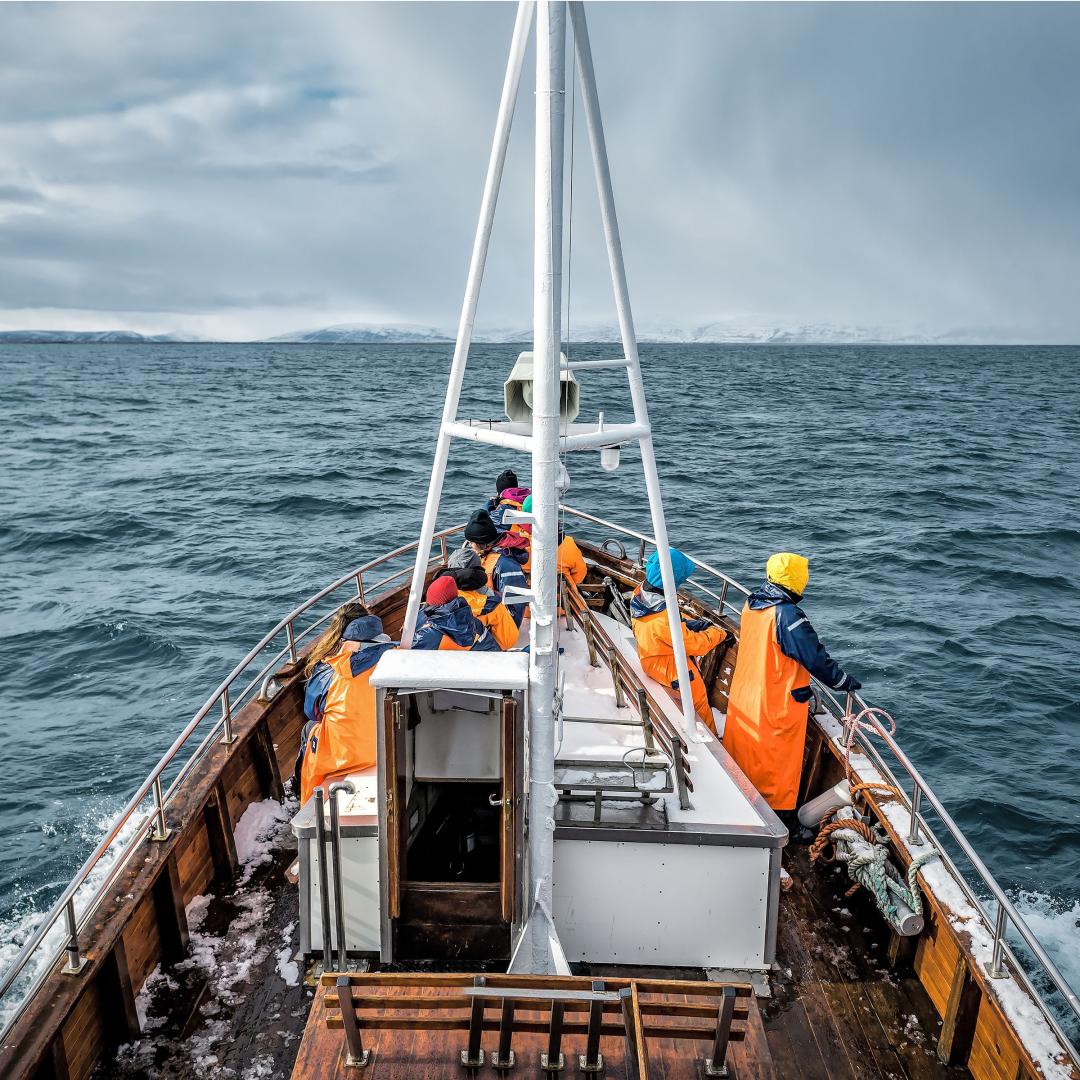
An image of the stern of a fishing boat
Coming Soon
Off
Summary

Improving fishing vessel efficiency cuts CO₂ emissions in wild capture fisheries by lowering fuel use through vessel, gear, or operational modifications. Advantages include the long-term cost savings from fuel use reductions, the ability to implement many of these improvements without reducing fishing effort, and the potential additional benefits for air quality and marine ecosystems. Disadvantages include its limited climate impact due to the sector’s overall small contribution to global GHG emissions and the possibly high up-front costs associated with vessel or gear upgrades. We conclude that, despite its modest emissions impact, Improve Fishing Vessel Efficiency is “Worthwhile,” with likely ecosystem and economic benefits.

Description for Social and Search
Improving fishing vessel efficiency cuts CO2 emissions in wild capture fisheries by lowering fuel use through vessel, gear, or operational modifications.
Overview

What is our assessment?

Based on our analysis, we find that fishing vessel efficiency improvements are ready to deploy and feasible, but probably have limited climate impact because the wild capture fisheries sector contributes a relatively small share of global GHG emissions. These improvements will likely provide long-term cost savings and added benefits for ecosystems and air quality. We conclude this climate solution is “Worthwhile.”

Plausible Could it work? Yes
Ready Is it ready? Yes
Evidence Are there data to evaluate it? Yes
Effective Does it consistently work? Yes
Impact Is it big enough to matter? No
Risk Is it risky or harmful? No
Cost Is it cheap? ?

What is it?

Improving fishing vessel efficiency reduces CO₂ emissions by using gear, vessel, or operational changes that lower fuel use in wild capture fisheries. Vessel upgrades include propulsion-related changes, such as installation of more efficient engines, and non-propulsion-related alterations, such as modified bows and hulls that reduce drag. Changing to low-fuel-use gear to catch fish, when and where possible, can also reduce CO₂ emissions. Operational changes, such as speed reductions or route optimization, can likewise lead to more efficient fuel use.

Does it work?

Vessel efficiency improvements are expected to deliver substantial fuel savings. An estimated 60–90% of emissions in wild capture fisheries, which emit roughly 0.18 Gt CO₂‑eq/yr in total, likely result from fuel consumption. Speed reductions alone can reduce fuel use by up to 30%. Vessel modifications could provide fuel savings of up to 20% in small fishing vessels, which comprise roughly 86% of all motorized fishing vessels globally. Upgrading engines and other propulsion-related equipment can reduce fuel use by up to 30%. Gear switching, when viable, can also be highly effective at improving fuel use efficiency, particularly if the target species are typically caught using methods such as trawling, which has a high carbon footprint

Why are we excited?

The average emissions per metric ton of landed fish in wild capture fisheries have grown by over 20% since 1990, highlighting the need for efficiency improvements. Many of these improvements can be implemented without sacrificing fishing effort or opportunities, and some operational changes, such as reducing vessel speed, can be done without any new equipment. All changes reduce fuel use, saving fishers money over time and likely resulting in fewer emissions of harmful air pollutants, such as sulfur oxides and black carbon. Some upgrades could deliver additional benefits to air quality and ocean ecosystems. Cleaner engines can further reduce air pollution through more complete combustion of fuel, and gear changes could benefit seafloor ecosystems, which can be damaged from bottom fishing practices, such as trawling and dredging. Additionally, some fishing gear has high bycatch rates, and switching to gear that allows for more exclusive capture of target species can reduce waste.

Why are we concerned?

Even with widespread adoption, efficiency improvements that reduce fuel use are unlikely to have a major climate impact. Efficiency improvements could also inadvertently encourage increases in fishing effort, which would increase fuel use and offset emissions cuts. Initial costs to upgrade can be highly variable, but might be high in some cases and therefore not feasible for some fishers. Gear switching can result in lower fish catches, as some methods might not be as efficient. Some operational changes, such as reducing speeds, could lead to fishers arriving at fishing grounds late.

Solution in Action

Althaus, F., Williams, A., Schlacher, T. A., Kloser, R. J., Green, M. A., Barker, B. A., ... & Schlacher-Hoenlinger, M. A. (2009). Impacts of bottom trawling on deep-coral ecosystems of seamounts are long-lasting. Marine Ecology Progress Series, 397, 279–294. Link to source: https://doi.org/10.3354/meps08248

Bastardie, F., Hornborg, S., Ziegler, F., Gislason, H., & Eigaard, O. R. (2022). Reducing the fuel use intensity of fisheries: through efficient fishing techniques and recovered fish stocks. Frontiers in Marine Science9, 817335. Link to source: https://doi.org/10.3389/fmars.2022.817335

Bastardie, F., Feary, D. A., Kell, L., Brunel, T. P. A., Metz, S., Döring, R., ... & van Hoof, L. J. W. (2022). Climate change and the Common Fisheries Policy: adaptation and building resilience to the effects of climate change on fisheries and reducing emissions of greenhouse gases from fishing. European Commission. Link to source: https://doi.org/10.2926/155626

Gilman, E., Perez Roda, A., Huntington, T., Kennelly, S. J., Suuronen, P., Chaloupka, M., & Medley, P. A. H. (2020). Benchmarking global fisheries discards. Scientific Reports, 10(1), 14017. Link to source: https://doi.org/10.1038/s41598-020-71021-x

Gulbrandsen, O. (2012). Fuel savings for small fishing vessels. Food and Agriculture Organization of the United Nations. Link to source: https://www.fao.org/4/i2461e/i2461e.pdf

Gray, C. A., & Kennelly, S. J. (2018). Bycatches of endangered, threatened and protected species in marine fisheries. Reviews in Fish Biology and Fisheries, 28(3), 521–541. Link to source: https://doi.org/10.1007/s11160-018-9520-7

Food and Agriculture Organization of the United Nations. (2018). The state of world fisheries and aquaculture. Food and Agriculture Organization of the United Nations. Link to source: https://openknowledge.fao.org/handle/20.500.14283/i9540en

Food and Agriculture Organization of the United Nations. (2018). Impacts of climate change on fisheries and aquaculture. United Nations’ Food and Agriculture Organization, 12(4), 628-635. Link to source: https://fao.org/3/i9705en/i9705en.pdf

Food and Agriculture Organization of the United Nations. (2024). The State of World Fisheries and Aquaculture 2024 – Blue Transformation in action. Food and Agriculture Organization of the United Nations. Link to source: https://openknowledge.fao.org/handle/20.500.14283/cd0683en

Hilborn, R., Amoroso, R., Collie, J., Hiddink, J. G., Kaiser, M. J., Mazor, T., ... & Suuronen, P. (2023). Evaluating the sustainability and environmental impacts of trawling compared to other food production systems. ICES Journal of Marine Science80(6), 1567–1579. Link to source: https://doi.org/10.1093/icesjms/fsad115

Parker, R. W., Blanchard, J. L., Gardner, C., Green, B. S., Hartmann, K., Tyedmers, P. H., & Watson, R. A. (2018). Fuel use and greenhouse gas emissions of world fisheries. Nature Climate Change8(4), 333–337. Link to source: https://doi.org/10.1038/s41558-018-0117-x

United Nations Global Compact and World Wildlife Fund. (2022). Setting science-based targets in the seafood sector: Best practices to date. Link to source: https://unglobalcompact.org/library/6050

United Nations Conference on Trade and Development (UNCTAD). (2024). Energy Transition of Fishing Fleets: Opportunities and Challenges for Developing Countries (UNCTAD/DITC/TED/2023/5). Geneva: UNCTAD. Link to source: https://unctad.org/system/files/official-document/ditcted2023d5_en.pdf

Credits

Lead Fellow

  • Christina Richardson, Ph.D.

Internal Reviewer

  • Christina Swanson, Ph.D.
Speed of Action
left_text_column_width
Caveats
left_text_column_width
Risks
left_text_column_width
Consensus
left_text_column_width
Trade-offs
left_text_column_width
Action Word
Improve
Solution Title
Fishing Vessel Efficiency
Classification
Worthwhile
Lawmakers and Policymakers
Practitioners
Business Leaders
Nonprofit Leaders
Investors
Philanthropists and International Aid Agencies
Thought Leaders
Technologists and Researchers
Communities, Households, and Individuals
Updated Date

Improve Aquaculture

Image
Image
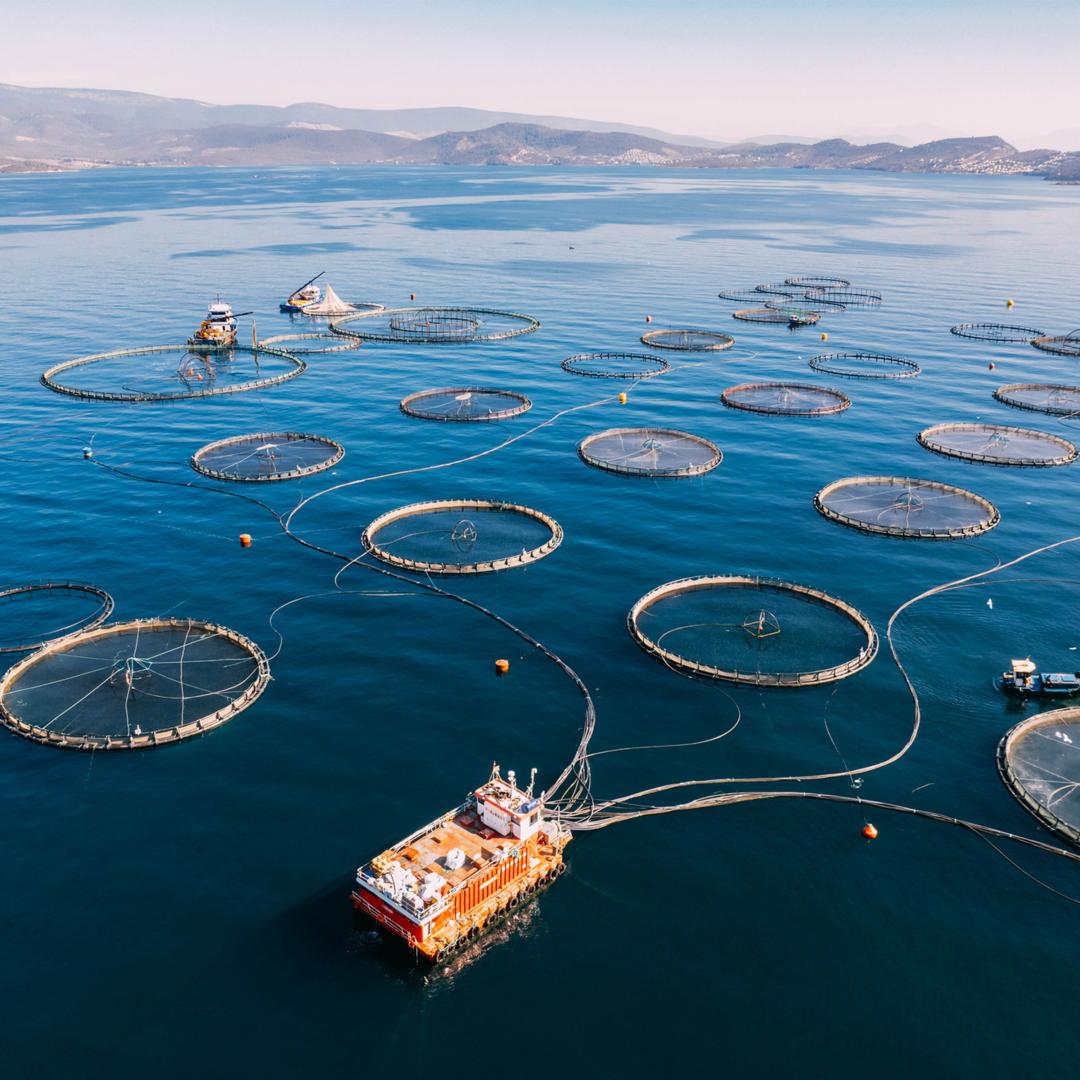
An image of an aquaculture facility
Coming Soon
Off
Summary

Improving aquaculture involves reducing CO₂ and other GHG emissions during the production of farmed fish and other aquatic animals through better feed efficiency and the decarbonization of on-farm energy use. Advantages include reduced demand for feedstocks produced from both wild capture fisheries and terrestrial sources, which benefits marine and terrestrial ecosystems. Disadvantages include the costs of transitioning to fossil-free energy sources. While these interventions are unlikely to lead to globally meaningful emissions reductions (>0.1 Gt CO₂‑eq/yr ), we consider Improve Aquaculture as “Worthwhile” given the rapid and ongoing expansion of the industry, its potential to replace higher-emission protein sources, and the ecosystem benefits of reducing feedstock demand.

Description for Social and Search
Improving aquaculture involves reducing CO2 and other GHG emissions during the production of farmed fish and other aquatic animals through better feed efficiency and the decarbonization of on-farm energy use.
Overview

What is our assessment?

While Improve Aquaculture is unlikely to have a major climate impact, our assessment concludes that it is “Worthwhile” due to its ability to reduce pressure on wild fish stocks and terrestrial biomass, and because efficiency improvements made now are likely to scale into greater climate impact as the sector continues to expand.

Plausible Could it work? Yes
Ready Is it ready? Yes
Evidence Are there data to evaluate it? Yes
Effective Does it consistently work? Yes
Impact Is it big enough to matter? No
Risk Is it risky or harmful? No
Cost Is it cheap? ?

What is it?

GHG emissions from aquaculture can be reduced by increasing the feed conversion efficiency of the cultured animals and decarbonizing on-farm energy use. Aquaculture – farming aquatic animals or plants for food or other purposes – is rapidly growing and now accounts for over half of the global production of aquatic animals, exceeding wild capture fisheries. Over 7% of human-consumed protein is aquaculture-produced. As this sector has grown, it has become increasingly reliant on external feed sources, with the share of non-fed aquaculture (e.g., bivalves that feed from the water column) dropping from nearly 40% in 2000 to 27% in 2022. Improving feed conversion ratios (FCR) – the amount of feed it takes to produce a given amount of biomass – can lower feed demand and reduce CO₂ and other GHG emissions tied to feed production and transport. FCRs can be improved by feed formulations that increase digestibility, genetic or breeding modifications to improve digestive efficiency in the cultured animal, species-specific feed formulations, and optimizing ration size and feeding frequency. At the same time, decarbonizing on-farm energy use can help reduce CO₂ emissions from common equipment, such as aerators and water pumps.

Does it work?

Interventions to improve feed and energy efficiency can reduce CO₂ emissions from aquaculture operations, although the potential achievable climate impact of these actions is currently unlikely to be globally meaningful (>0.1 Gt CO₂‑eq/yr ). Total annual emissions from aquaculture were estimated to be 0.26 Gt CO₂‑eq/yr in 2017, with nearly 60% of that attributed to feed production. Improving FCR is both plausible and effective, since it directly reduces the amount of food needed to cultivate fish and other species, thereby lowering emissions tied to feed production and transport. Between 1995 and 2007, improvements in FCR have ranged between 5 to 15% for a variety of species, including shrimp, salmon, carp, and tilapia.

Decarbonizing on-farm energy use can reduce equipment-related emissions, particularly in intensive systems that use energy for automated feeding systems, water temperature control, and circulation and aeration systems. In general, the potential impact of decarbonizing varies widely because on-farm energy use differs significantly across species and production systems. For instance, shrimp and prawn farming use nearly 20,000 MJ/t of live weight (LW), with over 75% from electricity, while bivalve production uses around 3,000 MJ/t of LW supplied largely by diesel.

Why are we excited?

Improving feed efficiency in aquaculture reduces demand for captured wild fish used in feed, reducing pressure on overfished stocks. It also lowers reliance on terrestrial biomass, such as soy, wheat, and rice, which come with additional land-use and emission costs. More efficient feeding can help reduce nutrient pollution, which can be responsible for high methane and nitrous oxide fluxes in some inland aquaculture systems. At the same time, decarbonizing on-farm energy use might ultimately lead to lower long-term operating costs and improved energy reliability.

Why are we concerned?

There are relatively few drawbacks associated with improving aquaculture. In the case of decarbonizing on-farm energy use, upfront costs could be high. For instance, installing solar panels or upgrading pumps can be financially challenging for small-scale operations. Energy use on farms can also vary throughout the day and night, which might not always align with renewable energy sources, like solar, without storage. While this solution focuses on reducing GHG emissions from existing aquaculture practices, it is important to recognize that aquaculture can be environmentally harmful and that impacts vary widely depending on how it is done, where it occurs, and which species are being cultivated.

Solution in Action

Badiola, M., Basurko, O. C., Piedrahita, R., Hundley, P., & Mendiola, D. (2018). Energy use in recirculating aquaculture systems (RAS): a review. Aquacultural Engineering, 81, 57-70. Link to source: https://doi.org/10.1016/j.aquaeng.2018.03.003

Boyd, C. E., McNevin, A. A., & Davis, R. P. (2022). The contribution of fisheries and aquaculture to the global protein supply. Food Security, 14(3), 805-827, Link to source: https://doi.org/10.1007/s12571-021-01246-9

Food and Agriculture Organization of the United Nations. (2018). The state of world fisheries and aquaculture. Food and Agriculture Organization of the United Nations. Link to source: https://openknowledge.fao.org/handle/20.500.14283/i9540en

Food and Agriculture Organization of the United Nations. (2024). The State of World Fisheries and Aquaculture 2024 – Blue Transformation in action. Food and Agriculture Organization of the United Nations. Link to source: https://openknowledge.fao.org/handle/20.500.14283/cd0683en

Henriksson, P. J. G., Troell, M., Banks, L. K., Belton, B., Beveridge, M. C. M., Klinger, D. H., ... & Tran, N. (2021). Interventions for improving the productivity and environmental performance of global aquaculture for future food security. One Earth, 4(9), 1220–1232. Link to source: https://doi.org/10.1016/j.oneear.2021.08.009

Jones, A. R., Alleway, H. K., McAfee, D., Reis-Santos, P., Theuerkauf, S. J., & Jones, R. C. (2022). Climate-friendly seafood: the potential for emissions reduction and carbon capture in marine aquaculture. BioScience, 72(2), 123–143. Link to source: https://doi.org/10.1093/biosci/biab126

MacLeod, M. J., Hasan, M. R., Robb, D. H., & Mamun-Ur-Rashid, M. (2020). Quantifying greenhouse gas emissions from global aquaculture. Scientific Reports, 10(1), 11679. Link to source: https://doi.org/10.1038/s41598-020-68231-8

Naylor, R. L., Hardy, R. W., Bureau, D. P., Chiu, A., Elliott, M., Farrell, A. P., ... & Nichols, P. D. (2009). Feeding aquaculture in an era of finite resources. Proceedings of the National Academy of Sciences106(36), 15103–15110. Link to source: https://doi.org/10.1073/pnas.0905235106

Naylor, R. L., Hardy, R. W., Buschmann, A. H., Bush, S. R., Cao, L., Klinger, D. H., ... & Troell, M. (2021). A 20-year retrospective review of global aquaculture. Nature, 591(7851), 551–563. Link to source: https://doi.org/10.1038/s41586-021-03308-6

Scroggins, R. E., Fry, J. P., Brown, M. T., Neff, R. A., Asche, F., Anderson, J. L., & Love, D. C. (2022). Renewable energy in fisheries and aquaculture: Case studies from the United States. Journal of Cleaner Production, 376, 134153. Link to source: https://doi.org/10.1016/j.jclepro.2022.134153

Shen, L., Wu, L., Wei, W., Yang, Y., MacLeod, M. J., Lin, J., ... & Zhuang, M. (2024). Marine aquaculture can deliver 40% lower carbon footprints than freshwater aquaculture based on feed, energy and biogeochemical cycles. Nature Food, 5(7), 615–624. Link to source: https://doi.org/10.1038/s43016-024-01004-y

Stentiford, G. D., Bateman, I. J., Hinchliffe, S. J., Bass, D. 1., Hartnell, R., Santos, E. M., ... & Tyler, C. R. (2020). Sustainable aquaculture through the One Health lens. Nature Food, 1(8), 468–474. Link to source: https://doi.org/10.1038/s43016-020-0127-5

Tacon, A. G., & Metian, M. (2008). Global overview on the use of fish meal and fish oil in industrially compounded aquafeeds: Trends and future prospects. Aquaculture, 285(1-4), 146–158. Link to source: https://doi.org/10.1016/j.aquaculture.2008.08.015

Vo, T. T. E., Ko, H., Huh, J. H., & Park, N. (2021). Overview of solar energy for aquaculture: The potential and future trends. Energies, 14(21), 6923. Link to source: https://doi.org/10.3390/en14216923

Zhang, Z., Liu, H., Jin, J., Zhu, X., Han, D., & Xie, S. (2024). Towards a low-carbon footprint: Current status and prospects for aquaculture. Water Biology and Security, 3(4), 100290. Link to source: https://doi.org/10.1016/j.watbs.2024.100290

Credits

Lead Fellow

  • Christina Richardson, Ph.D.

Internal Reviewer

  • Christina Swanson, Ph.D.
Speed of Action
left_text_column_width
Caveats
left_text_column_width
Risks
left_text_column_width
Consensus
left_text_column_width
Trade-offs
left_text_column_width
Action Word
Improve
Solution Title
Aquaculture
Classification
Worthwhile
Lawmakers and Policymakers
Practitioners
Business Leaders
Nonprofit Leaders
Investors
Philanthropists and International Aid Agencies
Thought Leaders
Technologists and Researchers
Communities, Households, and Individuals
Updated Date

Boost Whale Restoration

Image
Image
Peatland
Coming Soon
On
Description for Social and Search
The Boost Whale Restoration solution is coming soon.
Solution in Action
Speed of Action
left_text_column_width
Caveats
left_text_column_width
Additional Benefits
left_text_column_width
Risks
left_text_column_width
Consensus
left_text_column_width
Trade-offs
left_text_column_width
Action Word
Boost
Solution Title
Whale Restoration
Classification
Worthwhile
Updated Date

Boost Large Herbivore Restoration

Image
Image
Peatland
Coming Soon
On
Description for Social and Search
The Boost Large Herbivore Restoration solution is coming soon.
Solution in Action
Speed of Action
left_text_column_width
Caveats
left_text_column_width
Additional Benefits
left_text_column_width
Risks
left_text_column_width
Consensus
left_text_column_width
Trade-offs
left_text_column_width
Action Word
Boost
Solution Title
Large Herbivore Restoration
Classification
Worthwhile
Updated Date

Boost Appliance & Equipment Efficiency

Image
Image
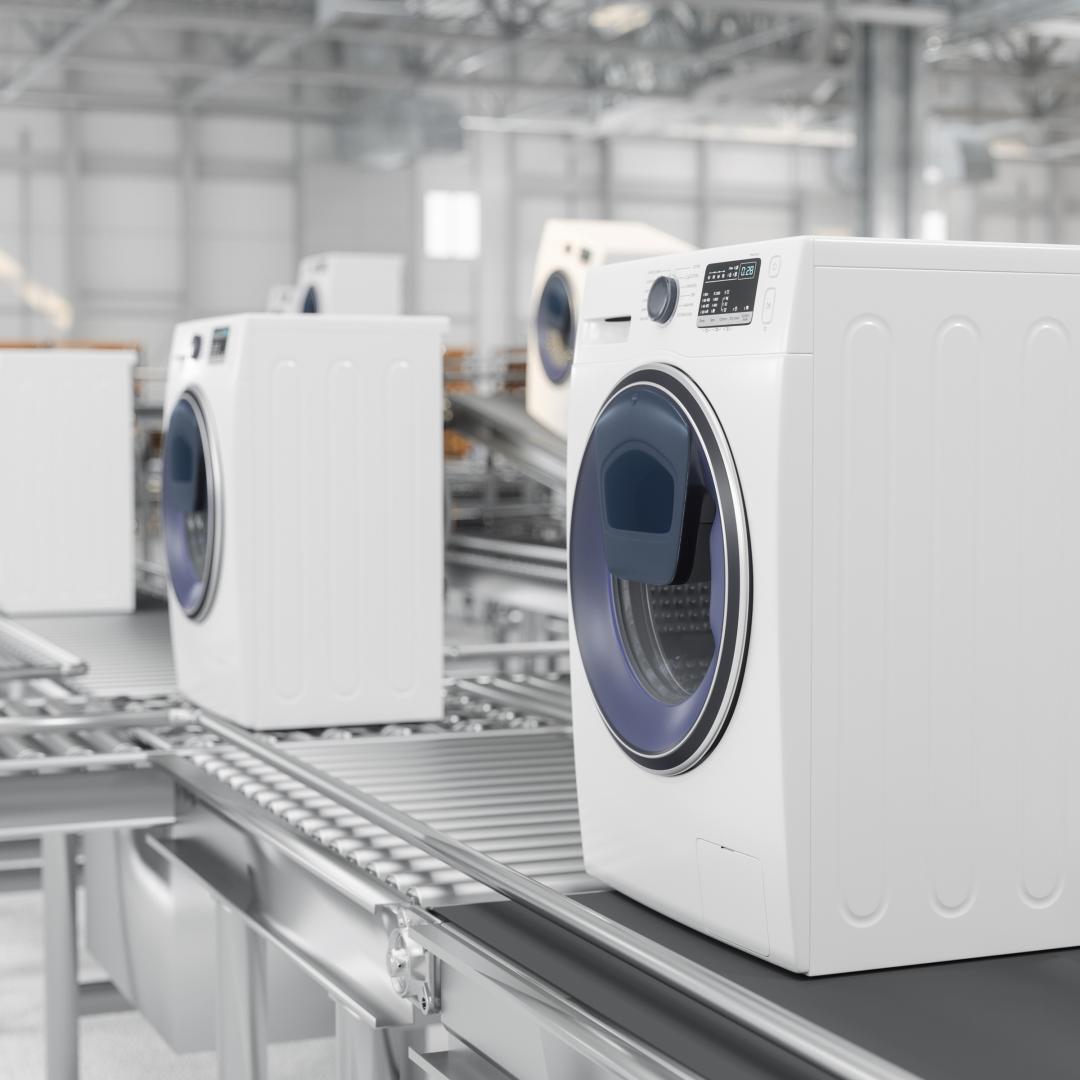
Washing machines on conveyer belts in a factory
Coming Soon
Off
Summary

Boosting the efficiency of appliances and equipment cuts GHG emissions by reducing the amount of electricity used to operate these devices. Efficiency improvements also lead to reduced peak demand, less strain on the electric grid, and potential utility savings for homeowners due to reduced electricity use. Despite this potential, the increase in the total number of households and average ownership of appliances, especially in low- and middle-income countries, has offset the impact of efficiency gains and resulted in increased electricity consumption from devices globally. We conclude that Boost Appliance & Equipment Efficiency is “Worthwhile” because it functionally reduces the energy consumed by these devices, but significant leaps in efficiency and shifts in user behavior are needed to realize its full potential as a climate solution.

Description for Social and Search
Boosting the efficiency of appliances and equipment cuts GHG emissions by reducing the amount of electricity used to operate these devices.
Overview

What is our assessment?

Based on our analysis, boosting appliance and equipment efficiency is a promising strategy for reducing GHG emissions, but significant leaps in efficiency and shifts in user behavior are needed to counteract the rebound effect and realize its impact. This potential climate solution is “Worthwhile.”

Plausible Could it work? Yes
Ready Is it ready? Yes
Evidence Are there data to evaluate it? Yes
Effective Does it consistently work? Yes
Impact Is it big enough to matter? No
Risk Is it risky or harmful? No
Cost Is it cheap? Yes

What is it?

Appliance and equipment efficiency typically refers to larger devices in residential buildings that run on electricity, such as refrigerators, freezers, washing machines, dishwashers, dryers, and televisions. Energy-efficient appliances or equipment consume less electricity when operated than do inefficient devices. Therefore, boosting appliance efficiency reduces the CO₂, methane, and nitrous oxide emissions from electricity generation. As of 2022, the energy consumed by household appliances globally was more than twice the total energy used to cool both residential and nonresidential buildings, and about half the energy used for heating. To drive higher efficiency for these devices, various countries have established regional energy efficiency standards, rating systems, and labeling programs. Currently, homeowners can readily access a variety of options on the appliance market, and less efficient devices can easily be replaced. However, income levels, especially in low- and middle-income countries, may affect people’s actual ability to purchase certain appliances, although these devices are increasingly becoming cheaper.

Does it work?

Improving the efficiency of appliances and equipment functionally reduces the energy required to run these devices. Various field studies have demonstrated the effect of efficiency gains on lowering electricity consumption. However, the rise in appliance ownership per household and the growing total number of households have offset the collective climate impact expected from efficiency improvements. Globally, the number of households grew from about 1.5 billion in 2000 to 2.2 billion in 2021. Considering the concurrent increase in the global average units owned per household, the number of appliances in use has essentially doubled over the same period. For example, we estimate that over two decades, the number of televisions owned grew from about 1.4 to 2.8 billion units, refrigerators grew from 0.9 to 1.7 billion units, and washing machines grew from about 0.6 to 1.1 billion units. This growth resulted in rising electricity consumption by appliances annually, from 2,880 TWh in 2000 to 5,734 TWh in 2022, which translates to a 99% global increase, largely driven by the Asia-Pacific region.

Why are we excited?

Boosting appliance and equipment efficiency allows homeowners to realize operational cost savings as a result of lower electricity consumption and utility bills. Compared with less efficient devices, using appliances with higher efficiency ratings functionally reduces peak electricity demand, alleviating strain on the electric grid. The advent of smart devices and the Internet of Things (IoT) also helps to automate the operation of these appliances, optimizing their runtime while minimizing the energy consumed. Initial purchasing costs are also declining, making efficient appliances more accessible and affordable. 

Access to high-efficiency appliances also yields additional benefits. For example, access to energy-efficient refrigerators and freezers means that food waste can be minimized with less energy, leading to better food security. Similarly, multimedia equipment, such as television sets, offers access to critical information. Further cuts in GHG emissions are also possible as the electric grid transitions to renewable energy sources.

Why are we concerned?

Despite the potential benefits, the efficiency improvements in household appliances and equipment have not effectively translated into a positive climate impact. This is largely due to the significant rebound effect, or the increase in appliances owned by households as these devices become cheaper and more efficient. Considering the role of appliances in providing a greater quality of life, limiting the increase in appliance purchases is dismissible. The markets for appliances and equipment in many countries also still consist of pre-owned devices, which are less efficient. Some countries, such as Ghana, have established legislation to prevent the importation of pre-owned devices. This approach ensures that the appliances bought by homeowners will run on the newest, most efficient technologies. Recent findings from regions with stringent energy rating systems also suggest that regulations and programs can lead to a 50% cut in the electricity consumed by appliances. Global initiatives, such as the United for Efficiency (U4E) partnership, which seeks to shift appliance markets in low- and middle-income countries into high-efficiency devices, are increasingly needed for the potential energy savings to be realized as a climate solution.

Solution in Action

CLASP. (2023). Net zero heroes: Scaling efficient appliances for climate change mitigation, adaptation & resilience. CLASP. Link to source: https://www.clasp.ngo/wp-content/uploads/2024/01/CLASP-COP28-FullReport-V8-012424.pdf

Darshan, A., Girdhar, N., Bhojwani, R., Rastogi, K., Angalaeswari, S., Natrayan, L., & Paramasivam, P. (2022). Energy audit of a residential building to reduce energy cost and carbon footprint for sustainable development with renewable energy sources. Advances in Civil Engineering, 2022(1), 4400874. Link to source: https://doi.org/10.1155/2022/4400874

de Ayala, A., Foudi, S., Solà, M. d. M., López-Bernabé, E., & Galarraga, I. (2020). Consumers’ preferences regarding energy efficiency: A qualitative analysis based on the household and services sectors in Spain. Energy Efficiency, 14(1), 3. Link to source: https://doi.org/10.1007/s12053-020-09921-0

de Ayala, A., & Solà, M. d. M. (2022). Assessing the EU energy efficiency label for appliances: Issues, potential improvements and challenges. Energies, 15(12), 4272. Link to source: https://doi.org/10.3390/en15124272

IEA. (2022, 22 September 2022). Worldwide average household ownership of appliances and number of households in the net zero scenario, 2000–2030. Retrieved April 20, 2025, from Link to source: https://www.iea.org/data-and-statistics/charts/worldwide-average-household-ownership-of-appliances-and-number-of-households-in-the-net-zero-scenario-2000-2030

IEA. (2023). Space cooling: Net zero emissions guide. IEA. Link to source: https://www.iea.org/reports/space-cooling-2

IEA/4E TCP. (2021). Achievements of energy efficiency appliance and equipment standards and labeling programmes. IEA. Link to source: https://www.iea.org/reports/achievements-of-energy-efficiency-appliance-and-equipment-standards-and-labelling-programmes

Lane, K., & Camarasa, C. (2023, 11 July 2023). Appliances and equipment. IEA. Retrieved May 13, 2025, from Link to source: https://www.iea.org/energy-system/buildings/appliances-and-equipment

Stasiuk, K., & Maison, D. (2022). The influence of new and old energy labels on consumer judgements and decisions about household appliances. Energies, 15(4), 1260. Link to source: https://doi.org/10.3390/en15041260

United for Efficiency (U4E). (2025). About the partnership. United Nations Environment Program (UNEP). Retrieved May 15, 2025, from Link to source: https://united4efficiency.org/about-the-partnership/ 

Credits

Lead Fellow

  • Henry Igugu, Ph.D.

Contributors

  • Zoltan Nagy, Ph.D.
  • Amanda D. Smith, Ph.D.

Internal Reviewer

  • Christina Swanson, Ph.D.
Speed of Action
left_text_column_width
Caveats
left_text_column_width
Additional Benefits
left_text_column_width
Risks
left_text_column_width
Consensus
left_text_column_width
Trade-offs
left_text_column_width
Action Word
Boost
Solution Title
Appliance & Equipment Efficiency
Classification
Worthwhile
Updated Date
Subscribe to Worthwhile

Drawdown Delivered

Join the 85,000+ subscribers discovering how to drive meaningful climate action around the world! Every other week, you'll get expert insights, cutting-edge research, and inspiring stories.

Receive biweekly email newsletter updates from Project Drawdown. Unsubscribe at any time.

Support Climate Action